
WHAT KIND OF CAR DO I NEED TO DRIFT?

- Rear wheel drive or four wheel drive car

- Lots of power is useful

- A limited slip differential to keep both rear wheel spinning

- Ability to turn off any electronic stability control system
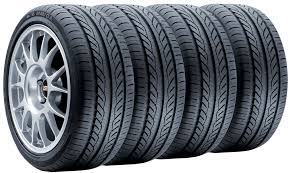
- Cheap rear tires
You can't drift properly in a front wheel drive car. you can over steer temporarily, but it's impossible to sustain a drift correctly without rear wheel or four wheel drive.
Stages of the drift

A. Turning in

When learning to drift, our advice is to approach a tight 30mph turn in second gear at about 3000rpm – this will give you a decent amount of torque to keep the rear wheels spinning once you’ve induced oversteer. Remember drifting is not the fastest way round a corner so you’re not trying to set speed records here. Turn in and aim to apex about half way round. If apex too soon you can find that the car will run wide and you’ll have to compensate by ending the drift early, too late and you’ll be on the straight early and won’t have any time to sustain the drift. With practice you’ll be able to drift round the corner in a smooth arc which follows the racing line. Once you have mastered drifting along the racing line, you’ll then be able to start the drift earlier and sustain it for the entire corner, and even adjust the angle or steering simply by adjusting the throttle.
B. Inducing the drift

At the apex of the corner you need to initiate oversteer, which sometimes is more difficult than it sounds. Drifting has developed its own unique terminology for techniques to ‘get the back out’ which are explained below. Remember that if you have a modern car with clever electronic stability control systems you’ll need to turn these off first.?
Power slide

If you have a powerful car it should be possible to break traction simply by accelerating sharply mid bend , this is the preferred method of inducing over steer as it is easy to control and repeat. If you increase the throttle too slowly it’s unlikely anything other than under steer will occur, too hard and the car may spin. You’re aiming for a sharp, sustained hit of power in the right gear, practice will help you get the balance right. You might be surprised about how much power is required on a road with a good surface, so it might be helpful to chose a road which is either damp or has lower traction tarmac.
Clutch kick
Clutch kick
 Clutch kick is a useful technique to use if you do not have a particularly powerful rear wheel drive car. The trick here is to enter the corner and dip the clutch. Raise the engine revs to near the red line, and then release the clutch at the apex. The resulting shock load of torque sent through the drive line should break traction at the rear wheels, thus invoking over steer.
Shift lock
 Shift lock” describes the action of locking the rear wheels momentarily by changing down a gear (or two) rapidly without rev matching. Once you’re back on the gas this will give you the benefits of more torque at the wheels due to the lower gear, with high revs helping sustain the drift.
Braking

Hand brake
 If your car refuses to get tail happy, there is always the option of the handbrake / emergency brake. A sudden sharp application and release mid corner will break traction at the rear wheels, but remember to keep your thumb on the release button! Get on the throttle as soon as the back steps out.
Flick
 Flicking the car the opposite direction to the corner, just before turn in will generate a rapid lateral weight transfer which can unsettle the car enough to flick the back out. As soon as you turn in, get on the gas and prepare for the resulting over steer.
Jump drift


This is one of the more risky methods, the trick here is to put two wheels onto the inside edge of the track while cornering, with the resulting bump unsettling car enough to break traction at the rear. Use with caution!
C. Controlling and sustaining the drift
Keep the power on (you might be surprised how much power is required to sustain the drift) and quickly counter-steer in the desired direction of travel (2), and balance the throttle to alter the attitude of the car.

To sustain the drift you need to keep the power on to keep the rear wheels spinning – about 80% throttle is the rule of thumb (although you’ll need less in slippery or low traction conditions). If the back comes round too far, gently ease off the throttle and apply additional steering lock to correct the slide. If you’re finding it hard to keep the slide going, you may need to use more power or take the corner slightly faster.
D. Ending the drift

Finishing the drift and getting the car straight again can be tricky if you end the drift too quickly you might find the car starts to over steer in the opposite direction, leading to ‘fishtailing’ and a pendulum effect which can be hard to control. The trick is to ease off the power smoothly and turn the steering rapidly and decisively back to the straight ahead position. Don’t let the steering run through your hands as this won’t give you the control you need.
Preparing a drift car


C. Controlling and sustaining the drift
Keep the power on (you might be surprised how much power is required to sustain the drift) and quickly counter-steer in the desired direction of travel (2), and balance the throttle to alter the attitude of the car.

To sustain the drift you need to keep the power on to keep the rear wheels spinning – about 80% throttle is the rule of thumb (although you’ll need less in slippery or low traction conditions). If the back comes round too far, gently ease off the throttle and apply additional steering lock to correct the slide. If you’re finding it hard to keep the slide going, you may need to use more power or take the corner slightly faster.
D. Ending the drift

Finishing the drift and getting the car straight again can be tricky if you end the drift too quickly you might find the car starts to over steer in the opposite direction, leading to ‘fishtailing’ and a pendulum effect which can be hard to control. The trick is to ease off the power smoothly and turn the steering rapidly and decisively back to the straight ahead position. Don’t let the steering run through your hands as this won’t give you the control you need.
Preparing a drift car

If you decide to get serious and have a car specially for drifting, you should consider a series of relatively simple modifications.
Suspension

It’s a good idea to try and reduce body roll and thus increase control due to a more consistent tire contact patch by fitting stiffer springs and dampers. Adjustable ride height and damping will allow you to tune the suspension to your personal tastes. Fit stiffer anti-roll (sway) bars particularly at the back, which should be stiffer than the front to provide a good turn-in and reduce under steer. And if you’re feeling really keen, a few degrees of negative camber on the front wheels will further reduce under steer and give you a nice sharp steering response.
Engine, Drive-Train and Electronic Aids

As drift cars tend to put the engine under high load and the angles they are driven at prevent an efficient flow of air through the radiators it’s sensible to fit cooling upgrades for radiator and oil.

A limited slip differential with a decent amount of lock up torque is preferred, but budget racers may opt for a welded diff, which shouldn’t be used on the road. Clutch upgrades are also a good idea, especially if you’re using the ‘clutch kick’ approach to inducing over steer.

Electronic traction aids should be completely disabled, which may involve the removal of a fuse in cars with over protective systems.
Tires
Slick rear tires or tires with low tread are ideal for drifting. Rear pressures can be increased if you’re finding it difficult to get the back out. The best drift tires have a stiff sidewall which reduces deformation under heavy load and gives a more predictable drift.
Comments
Post a Comment